
Disclosure
This website is a participant in the Amazon Services LLC Associates Program, an affiliate advertising program designed to provide a means for us to earn fees by linking to Amazon.com and affiliated sites.
Temperature settings on a reptile heat lamp control the basking spot’s warmth, while light settings control brightness and the day-night cycle. Most lamps pair a dimmer or thermostat dial for heat with a simple on-off or timer switch for light.
In my experience, the temperature dial matters most because reptiles can’t regulate their own body heat. I set the basking spot with a thermometer, then use the light setting to mimic a natural sunrise and sunset.
Stop Guessing at Heat and Light
Getting the basking spot and light cycle right by hand is a daily chore. One missed adjustment and your reptile gets too much heat or too little UVB. A lamp with a built-in cycle timer takes the guesswork out and keeps the same routine every day, even when you are not home.
Here is the one I use and why it ended the daily fuss: REPTITRIP Reptile Heat Lamp Clamp UVA UVB Cycle Timer
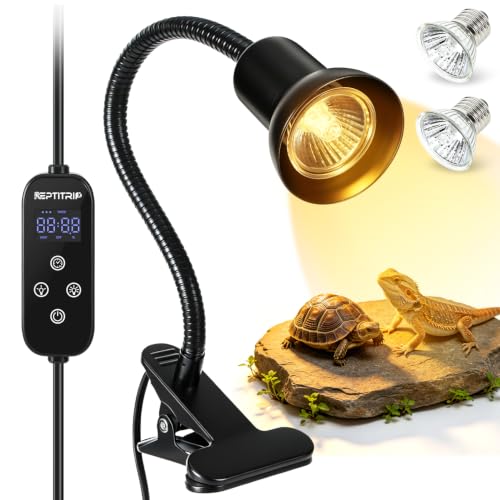
- Smart 24H Timer & 4-Level Brightness: Set a precise daily schedule from...
- Flexible 360° Gooseneck for Targeted Basking: The sturdy, rotatable...
- Durable All-Aluminum Construction: Crafted from lightweight yet durable...
Why Getting Your Heat Lamp Settings Right Matters for Your Reptile
Getting these settings wrong can make your reptile sick, and it happens more than people think. I learned this the hard way with my first bearded dragon. I left the heat lamp on full blast all day and never checked the temperature.
Within a week, he stopped eating and barely moved. My son was heartbroken, and I felt terrible. A quick trip to the vet and a cheap thermometer fixed it, but the worry stuck with me.
What Happens When the Temperature Setting Is Too High or Too Low
Reptiles can’t sweat or cool themselves down like we do. If the basking spot runs too hot, they can overheat fast. If it runs too cool, they can’t digest their food properly.
In my experience, the biggest mistake is guessing. I now keep a digital thermometer in the tank and check it every morning. It takes ten seconds and saves a lot of stress.
Why the Light Setting Affects More Than Brightness
The light setting does more than make the tank look nice. It tells your reptile when it’s day and when it’s night. A steady routine helps them eat, sleep and behave normally.
- Keep daytime light on for roughly 10 to 12 hours.
- Turn lights off at night so your reptile can rest.
- Use a timer so you don’t have to remember.
We wasted money on a lamp that had no dimmer, and it cooked the tank within an hour. Now I always check for a temperature dial before buying anything.
How to Dial In Your Heat Lamp Temperature and Light Settings
Honestly, this is the part that took me the longest to figure out. You don’t need fancy gear, just a little patience and a routine. Here’s what actually worked for us.
Setting the Right Basking Temperature for Your Reptile
Start by checking what your species needs, because a desert lizard and a tropical gecko want very different warmth. Place a thermometer right under the lamp where your reptile likes to sit. Then adjust the dial slowly, a little at a time.
- Check the basking spot, not just the air in the tank.
- Wait an hour after each change before testing again.
- Keep a cool side so your reptile can move away when it’s too warm.
Using the Light Setting to Build a Day and Night Routine
The light setting should copy a natural day, with bright hours and a dark rest. I set a simple timer and let it do the work for me. My kids love that they don’t have to remember to switch anything on or off.
One tip from our house: keep the night hours truly dark. If you need extra warmth after dark, use a heat source that doesn’t glow. That way your reptile actually sleeps.
Testing Your Settings Before You Trust Them
Never trust the dial alone, because the numbers on the box rarely match real tank conditions. I test everything for a full day before I relax. Watch your reptile too, since happy behavior tells you a lot.
You’ve already spent money on the tank and the animal, and the last thing you want is a vet bill because a cheap dial lied to you. If you’re tired of guessing and want a lamp that actually holds its settings, this is what finally worked for us: the one I wish I’d bought first.
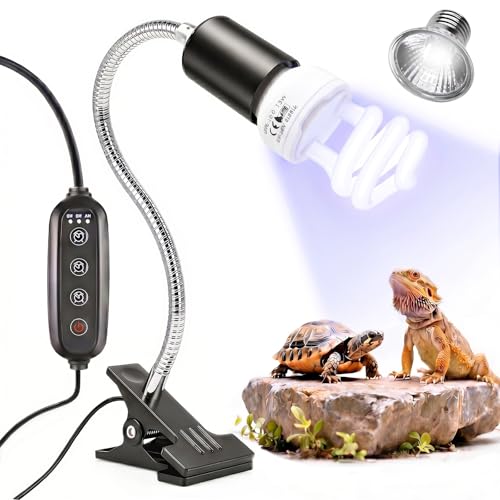
- 【 Higher UVB Output Value 】-The UVB reptile heat lamp has shown higher...
- 【8000H Long Lifespan】- Engineered for durability, the UVB Reptile Light...
- 【 Ideal UVB Light for Tropical Reptiles】 - 10.0 13W UVA UVB fluorescent...
What I Look for When Buying a Reptile Heat Lamp With Temperature and Light Settings
After a few wrong purchases, I’ve learned that a few simple things matter way more than a long list of fancy features.
A Real Temperature Dial, Not Just a Fixed Setting
You want a lamp you can actually adjust, not one that only has on and off. A dimmer or dial lets you fine-tune the warmth as the seasons change. My old fixed lamp ran way too hot in summer, and I had no way to turn it down.
Separate Controls for Heat and Light
It helps a lot when heat and light are controlled separately. That way you can keep the tank warm at night without a bright glow keeping your reptile awake. I didn’t think this mattered until I saw how much better mine slept.
Simple Timers and Easy Setup
Look for something that works with a basic timer or has one built in. You don’t want to babysit switches every morning and night. For us, a timer meant one less thing to remember on busy school days.
A Build That Holds Up Over Time
Check that the fixture feels solid and the clamp or mount stays put. A lamp that slips or wobbles can change the temperature in a hurry. I once had a loose clamp drop the bulb closer to the tank, and that scared me enough to check it every week.
Keep these four things in mind and you’ll skip most of the mistakes I made.
The Mistake I See People Make With Reptile Heat Lamp Settings
The biggest mistake is trusting the dial numbers instead of an actual thermometer. I did this for weeks and felt so sure everything was fine. Then I put a real thermometer in the tank and found the basking spot was way off.
Those numbers on the box are a rough guide at best. Your tank size, room temperature and bulb height all change the real result. So the dial says one thing, and your reptile feels another.
What should you do instead? Put a digital thermometer right where your reptile basks, and check it at the same time each day. Adjust the dial in small steps and wait an hour before testing again.
It sounds fussy, but it takes about ten seconds once you’re used to it.
The other mistake is leaving the light on all night for extra warmth. That messes with your reptile’s sleep and can wear it down over time. If you need night heat, use a source that doesn’t glow and keep the dark hours truly dark.
You shouldn’t have to lie awake wondering if your tank is too hot or too cold while your reptile suffers quietly. If you’re done guessing and want a setup that actually holds steady, this is what I’d grab now: the thermometer I check every morning.
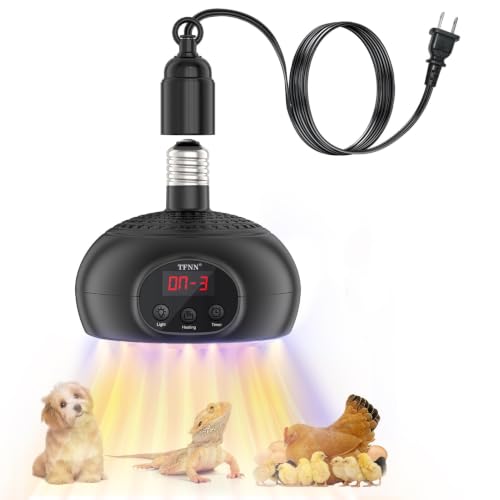
- 🔥【upgraded Chicken Coop Heater】:TFNN Chicken house heater lamp has...
- 💡【3-Level Brightness & temperature Adjustable】:Chicken coop heater...
- 🌟【5-Level Timing Function】:Chicken coop heating lamp with built-in...
Check Your Settings at the Same Time Every Day
Here’s the tip that changed everything for me: test your lamp at the same time each day. Temperature swings happen quietly, and a morning check catches them before they become a problem. It’s the simplest habit that keeps your reptile safe.
Why does timing matter so much? Your tank warms up through the day as the room heats up too. So a reading at noon can look totally different from one at 7 a.m.
I used to check whenever I remembered, and my numbers were all over the place.
Pick a moment that fits your routine, like right after you make your coffee. Then log the reading in a notebook or your phone. After a week, you’ll see the pattern and know exactly when to nudge the dial.
This one habit gave me real peace of mind. I stopped worrying about whether the tank was too hot or too cold. My son even likes helping with the morning check now, and he’s learned a lot about how his pet lives.
My Top Picks for Reptile Heat Lamp Temperature and Light Settings
I’ve tried a handful of bulbs over the years, and two of them are the ones I keep coming back to. Here’s exactly what I’d buy and why.
Lachesan 50W UVA Reptile Heat Lamp Bulbs 2 Pack — A Simple Daytime Bulb That Does the Job
The Lachesan 50W UVA Reptile Heat Lamp Bulbs 2 Pack is what I reach for when I want a bright daytime basking light. I love that it gives off both heat and UVA, so my reptile gets a natural-feeling day without extra gear. It’s a great fit for smaller tanks and beginners.
The trade-off is that 50W won’t cut it for a big enclosure, so check your tank size first.

- Lachesan 50w reptile turtles' heating lamps provide extra warmth light to...
- Reptile heating light bulb with ROHS and CE Certified, over 3000 hours...
- Multi-functional for animals or extra lighting: use anywhere, from projects...
DOMICA 150W 2 Pack Ceramic Heat Emitter Reptile Bulb — My Go-To for Nighttime Warmth
The DOMICA 150W 2 Pack Ceramic Heat Emitter Reptile Bulb is the one I trust when the tank needs warmth after dark. I really love that it puts out heat without any glow, so my reptile actually sleeps through the night. It’s perfect for anyone running a day-night light routine.
The honest catch is that it gives off no light at all, so you still need a separate bulb for daytime.
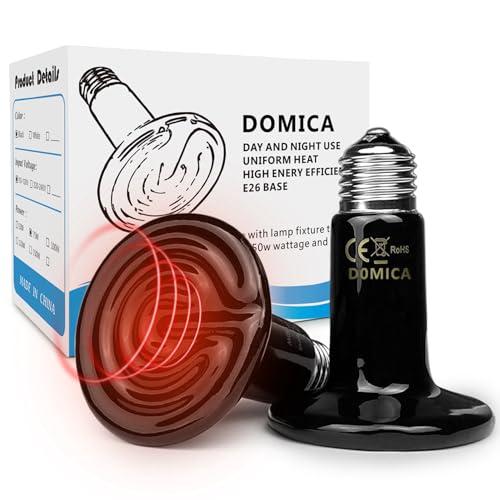
- DOMICA Ceramic Heat Emitter, Safeguard Your Reptiles’ Healthy Sleep Cycle...
- Heats Up Rapidly & Ensures Excellent Heat Output - Boasting exceptional...
- Heat Resistant Ceramic Construction - Crafted from high-density ceramic...
Conclusion
The single most important takeaway is that a real thermometer beats the dial on the box every time.
So go put a thermometer right under your lamp this evening and check the reading — it takes a minute, and it might be the reason your reptile finally starts eating and acting like itself again.
Frequently Asked Questions about What Do Temperature and Light Settings Mean on a Reptile Heat Lamp?
What temperature should a reptile heat lamp be set to?
Most common pet reptiles need a basking spot between roughly 90°F and 105°F, but the exact number depends on the species. Desert lizards usually want it hotter than tropical geckos. Check your species first, then match the dial to that target.
The dial number alone won’t tell you the truth, though. Tank size, room heat and bulb distance all shift the real temperature. Always confirm with a thermometer placed right where your reptile basks.
How many hours should the heat lamp stay on each day?
Plan on about 10 to 12 hours of light per day for most reptiles, with a dark rest period at night. A simple timer keeps this steady without you having to remember. That steady rhythm helps them eat, sleep and behave normally.
If your room gets cold after dark, don’t leave the bright bulb on all night. Instead, use a heat source that gives off warmth but no glow. Your reptile gets the heat it needs and still sleeps properly.
What is the best heat lamp setup for someone who needs steady warmth at night?
Yes — a ceramic heat emitter is the best choice for nighttime warmth because it gives off heat with no visible light. That keeps the tank warm while your reptile rests in the dark. I’ve used the DOMICA 150W 2 Pack Ceramic Heat Emitter Reptile Bulb for exactly this, and it does the job quietly.
Just remember it produces no light, so you’ll still need a separate daytime bulb. Pair it with a timer and you’ve got a simple day-night routine. If you want night heat without the glow, the ones I keep in my tank are worth a look.
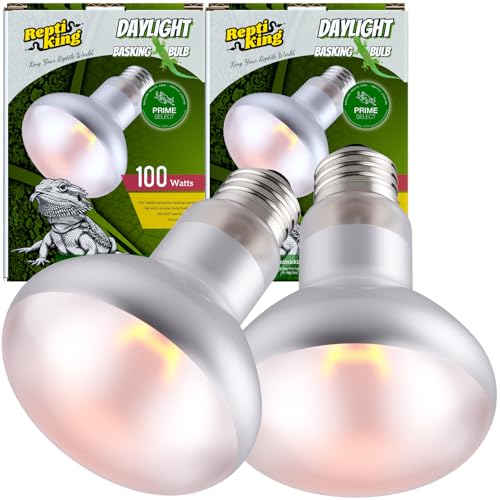
- 【Reptile Heat Lamp】The Daylight Basking Spot light spectrum is ideal to...
- 【Reptile Basking Bulb】This basking bulb creates a basking area for the...
- 【Reptile Light】Can be combined with Night Heat Lamp/Ceramic Heat...
Which heat lamp bulb won’t let me down for daytime basking in a smaller tank?
The Lachesan 50W UVA Reptile Heat Lamp Bulbs 2 Pack is a solid pick for small enclosures, giving both heat and UVA in one bulb. It’s a good fit for beginners and modest tank sizes. The honest catch is that 50W won’t warm a large enclosure, so check your tank first.
I like that it gives a natural-feeling daytime light without extra gear. It’s simple to set up and easy to swap out. If your tank is on the smaller side, what finally worked for us is a good place to start.
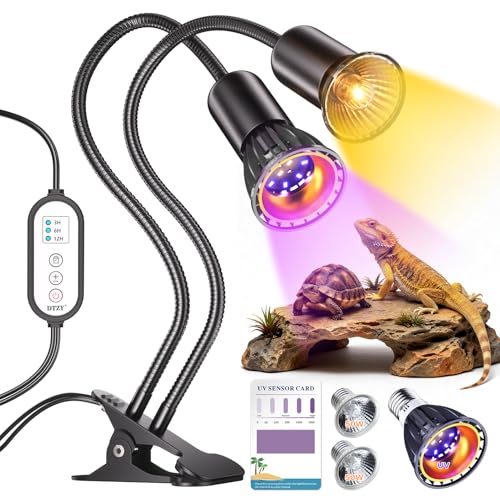
- Comprehensive Care for Reptiles: The DTZY-designed dual-head reptile...
- Upgraded Professional UVB Bulb: This heating lamp includes two 50W heat...
- Upgraded Timer Function: This reptile heating lamp features three timing...
Can I use the same lamp for both heat and light?
Yes, many bulbs give off both heat and light at once, which is why one lamp often handles daytime basking. That’s the normal setup for most keepers. The catch is that you can’t separate the two with a single bulb.
That’s why a night plan matters. When the light goes off, the heat goes with it. So keep a non-glowing heat source ready for cold nights.
Why does my reptile hide even when the lamp is on?
Hiding usually means something in the tank feels off, and temperature is the first thing to check. If the basking spot is too hot, your reptile will move away to stay cool. If it’s too cold, they may hide and stay sluggish.
Test both the warm and cool sides with a thermometer. Then adjust the dial in small steps and watch for a day or two. Small changes often fix it fast.