
Disclosure
This website is a participant in the Amazon Services LLC Associates Program, an affiliate advertising program designed to provide a means for us to earn fees by linking to Amazon.com and affiliated sites.
Yes. A dual-outlet fixture on one circuit can power two basking bulbs, as long as the combined wattage stays under the outlet’s safe limit.
I always add up the bulb watts before plugging in two tanks. Two 100-watt bulbs draw about 1.7 amps, which is fine on a standard 15-amp household circuit.
Stop Sharing One Outlet
Two tanks on one outlet sounds simple until your basking spots run at different temps. A fixed lamp gives you one heat level for both, so one reptile bakes while the other stays cool. The Lsoppn heat lamp fixes that with a built-in timer and a suction cup mount you can aim where each tank needs it.
This is the lamp that finally ended my two-tank headache: Lsoppn Reptile Heat Lamp Basking Suction Cup Mount Timer

- Strong Suction Mount for Glass Tanks - Designed with a powerful suction...
- Modern Minimalist Design - Unlike traditional clamp lamps, this sleek...
- Flexible 360° Gooseneck Adjustment - Easily position the heat exactly...
Why Running Two Tanks on One Outlet Matters More Than You Think
Getting this wrong is not just an inconvenience. It can put your reptiles at risk and cost you money on gear that never worked right.
I learned this the hard way with my son’s first two gecko tanks. We plugged both heat lamps into one cheap power strip and went to bed.
The Real Danger of Overloading a Single Outlet
An outlet has a limit. Push past it and the strip or breaker can trip, overheat, or fail.
When that happens, both tanks lose heat at once. On a cold night, that can turn serious fast.
Here is what I check now before plugging in anything:
- Total watts of both bulbs added together
- The amp rating printed on the power strip
- Whether anything else shares that outlet
Wasted Money and Frustrated Kids
My son saved his allowance for a second heat lamp. We bought one that looked fine but could not handle two tanks safely.
He was crushed, and we were out the cash. That frustration is why I now plan the setup before buying a single bulb.
Why Two Tanks Need Steady, Separate Heat
Reptiles need consistent basking temps to digest food and stay healthy. If one tank runs cool, the animal can get sluggish and stop eating.
I always test each tank on its own with a thermometer. That way I know both are actually warm, not just one.
How to Set Up a Dual Heat Lamp for Two Tanks Safely
Honestly, the setup itself is simple once you know the steps. The trick is doing them in the right order before you plug anything in.
Check Your Wattage and Outlet Limits First
Start by adding up both bulbs. Two 100-watt bulbs equal 200 watts total.
Then check the label on your power strip and outlet. Most strips list a max wattage, and staying well under it keeps things cool and safe.
I keep a small notebook with the numbers for each tank. It sounds fussy, but it takes ten seconds and saves worry.
Position Each Lamp for Even Heat
Place each dome over its own basking spot, not in the middle between tanks. That way each reptile gets its own warm zone.
- Mount domes securely so they cannot tip or fall
- Keep cords away from water bowls and misting
- Test each tank with a thermometer for a full day
Watch the Heat for the First Few Days
I check temps morning and night for the first week. Small rooms and cold snaps change things fast.
If one tank runs cool, adjust the dome height before adding more watts. Sometimes a small tweak is all it takes.
You keep worrying that both tanks will lose heat overnight and wake up to two cold, sluggish reptiles. That fear is real, and it is exactly why I set ours up with a timer and a safe strip — what finally worked for us was the setup I sent my sister to buy:
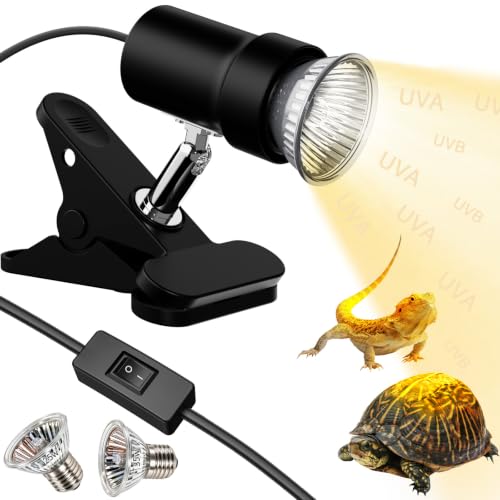
- 【Rotating Clip】The reptile lamp fixture can be rotated 360° in any...
- 【Two Bulbs】Moonorange Reptile heat light provides two E27 bulbs 25W...
- 【Easy to Use】Just choose the right spot, and fix the clip firmly that...
What I Look for When Buying a Dual Reptile Heat Lamp
You do not need the fanciest fixture on the shelf. You need a few things that actually matter for two tanks on one outlet.
Separate Switches for Each Lamp
You want to control each bulb on its own. That way one tank can stay warm while you adjust or replace the other.
For example, my son turns off one side for cleaning without touching his other gecko’s heat. Simple, but it saves a lot of fuss.
A Clear Wattage Rating
The fixture should list its max wattage right on the box. You need to know it can handle both bulbs without strain.
I always check this before buying. If the number is not printed clearly, I put it back on the shelf.
Solid, Secure Mounting
Look for clamps or mounts that grip tightly and stay put. A loose dome is a real hazard near glass and water.
We had one clamp slip early on. Nothing broke, but it taught me to test the grip before trusting it.
Cords Long Enough to Reach
Two tanks often sit side by side, and short cords force you into awkward power strips. Measure the gap first.
I learned to check cord length after a strip ended up stretched tight across the floor. Now I plan the layout before I buy.
The Mistake I See People Make With a Dual Reptile Heat Lamp
The biggest mistake is assuming one dual lamp means both tanks get equal heat. It does not work that way in real rooms.
People hang one fixture between two tanks and call it done. Then one tank runs hot and the other stays cool, and nobody notices for weeks.
What you should do instead is treat each tank as its own zone. Put a thermometer in each one and check both, not just the warm side.
I also wish someone had told me to add up the watts before buying. Two strong bulbs can push a cheap strip past its limit, and that is a fire risk, not just a tripped breaker.
You lie awake wondering if both tanks are warm enough, or if one reptile is quietly getting cold while you sleep. That worry is exhausting, and it is exactly why I stopped guessing — what finally worked for us was the setup I wish I had bought first:
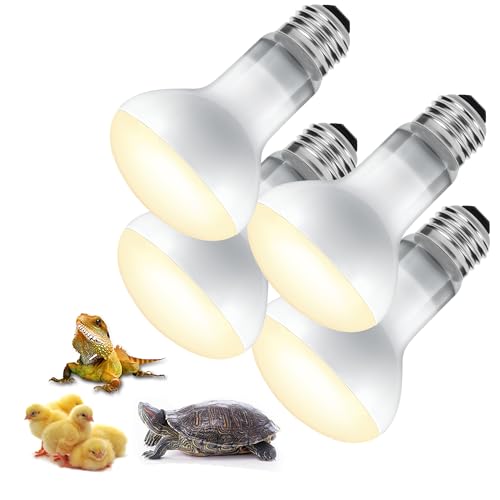
- Dimmable Stable Warm Light: 50W Steady warm light output without excessive...
- Simulate Sunlight: Basking Reptile Heat Bulb produce a UVA bright light...
- Long-Lasting: These 50W reptile heat bulbs, made with thickened...
One Simple Trick That Made My Two-Tank Setup Finally Work
Here is the tip that changed everything for us: run each lamp on its own timer. It sounds small, but it fixed the uneven heat problem overnight.
Both tanks do not always need the same schedule. One reptile may want a longer basking window than the other, and separate timers let you match each one.
I set my son’s two tanks on different cycles and watched the temps for a week. The cooler tank finally held steady, and both animals got active again.
The other aha moment was testing with a cheap thermometer in each tank, not one shared between them. You cannot trust a single reading to tell you what both reptiles feel.
Do this before you buy anything else. Add up your watts, check your strip, and set each lamp on its own timer. That combo solved our problem without spending a dime on new gear.
My Top Picks for Heating Two Tanks on One Outlet
REPTI MATE 2Pack 150W Reptile Heat Emitter Bulbs — Strong, Steady Heat for Bigger Tanks
REPTI MATE 2Pack 150W Reptile Heat Emitter Bulbs are what I reach for when a tank needs serious warmth. I love that they give off heat without light, so nighttime temps stay steady. They fit best for larger enclosures or cold rooms.
The trade-off is that 150 watts each adds up fast, so check your outlet limit first.

- 【Natural Sunlight Simulation for Active & Healthy Reptiles】Our reptile...
- 【Energy-Efficient & Eye-Friendly Soft Light】Featuring a copper-plated...
- 【Dimmable & Thermostat-Compatible for Precision Control】Easily pair...
Lachesan 50W UVA Reptile Heat Lamp Bulbs 2 Pack — Gentle Warmth for Smaller Setups
Lachesan 50W UVA Reptile Heat Lamp Bulbs 2 Pack is my pick for smaller tanks and gentler basking spots. I like that two bulbs in one pack means both tanks get matched heat right away. They suit beginners and smaller reptiles well.
The honest catch is that 50 watts may not be enough for a big enclosure on a cold night.

- Lachesan 50w reptile turtles' heating lamps provide extra warmth light to...
- Reptile heating light bulb with ROHS and CE Certified, over 3000 hours...
- Multi-functional for animals or extra lighting: use anywhere, from projects...
Conclusion
The one thing that matters most is knowing your total wattage before you plug in two tanks. Stay under your outlet’s limit and both reptiles stay warm and safe.
Go add up your two bulbs and check the label on your power strip right now — it takes two minutes and it might be the reason your whole setup finally feels worry-free.
Frequently Asked Questions about Can a Dual Reptile Heat Lamp Heat Two Tanks on One Outlet?
Can two heat lamps really run safely on one outlet?
Yes, two heat lamps can run on one outlet as long as the total wattage stays under the circuit’s limit. A standard household outlet handles around 1,800 watts, so two bulbs are usually fine.
I always check the strip’s label and keep plenty of headroom. Running well under the max keeps cords cool and gives you peace of mind.
How many watts can a power strip handle for two reptile tanks?
Most power strips handle 1,800 watts or 15 amps, which is plenty for two heat bulbs. Two 100-watt bulbs draw only about 200 watts total.
Look at the printed rating before plugging in anything. In my experience, cheap strips are the weak link, so buy one rated higher than you need.
What is the best heat lamp setup for someone heating two tanks on a single outlet?
REPTI MATE 2Pack 150W Reptile Heat Emitter Bulbs are a strong choice because the matched pair lets you heat both tanks evenly. They give off steady heat without light, which suits nighttime warmth.
For bigger enclosures or cold rooms, this pair is what I recommend. It is the setup I sent my sister to buy when she started her first two tanks: the bulbs I trust for two tanks.
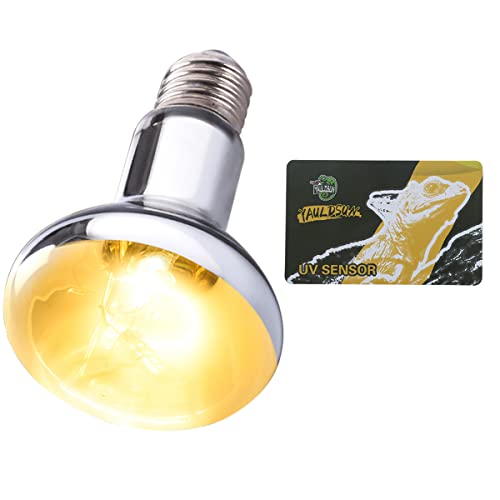
- PERFECT UVA UVB BULB FOR YOUR PETS: UVA bulbs simulate UVA rays in the...
- INPUT VOLTAGE: AC 110-120V, Power: 160 Watts, Full size: diameter 4.5inch x...
- IDEAL FOR REPTILE AND AMPHIBIANS: Suitable for bearded dragons, tortoises...
Which heat lamp won’t let me down when I’m heating two small tanks?
Lachesan 50W UVA Reptile Heat Lamp Bulbs 2 Pack is a reliable pick for smaller tanks because 50 watts each keeps heat gentle and safe. The two-pack means both tanks get matched bulbs right away.
If your reptiles are small or your room stays mild, this pair fits well. It is what finally worked for us on our first two gecko tanks: the ones I grabbed for my kids.

- 【Dimming and Timing Functions】LUCKY HERP reptile heat lamp with clamp...
- 【Reptile UVB Heat Bulbs】Two 50W UVA UVB reptile bulbs are included with...
- 【360° Flexible Rotation Design】The basking light support...
Why is one of my tanks always cooler than the other?
One tank usually runs cooler because the dome sits too high or too far from the basking spot. Heat drops off fast with distance, so placement matters more than wattage.
I lower the dome or move it closer to fix this. Always test each tank with its own thermometer, not one shared between them.
Do I need a thermostat for two tanks on one outlet?
Yes, a thermostat is worth it because it prevents overheating and keeps both tanks steady. It also protects your reptiles if a bulb runs hotter than expected.
I use one per tank so each has its own control. It is a small cost that saves a lot of worry overnight.